Whenever we start focusing about a certain
subject, thoughts of it fly away, and cultural traits are not different. American
an English cultures have added some substantial elements to global artistic
culture.
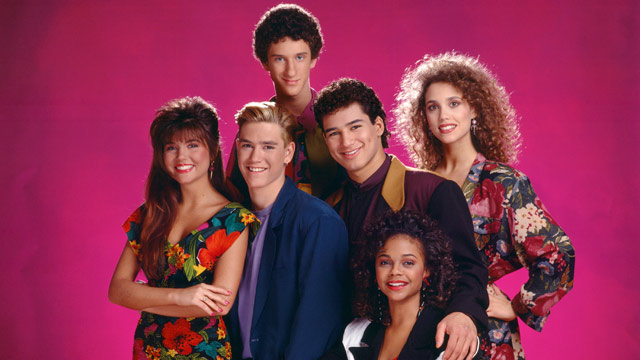
U.S.A.’s Tv shows are, and have been for several
decades now, the most viewed around the globe. Translated into many different
languages, you can travel to the Czech Republic and see “Friends” in Czech, you
can visit Peru and find that Peruvians enjoy watching Gilligan’s Island in
Spanish. Their typical shows are of comedy, suspense and thriller, and due to
the big budgets they receive, they are normally very well produced.
Friends
Gilligan's Island
England’s theater has been influencing the world since Shakespeare. He was a virtuous writer and his plays are performed all around the globe and in a variety of contexts; school, acting schools, theaters to name a few. During more recent times there has been strong influence form English plays throughout global theatre. The play “Waiting for Godot” from Samuel Beckett is a prime example.
Romeo & Juliet
Movies from both countries are world-wide
recognized, the English ones for the perfection of plot, cast, photography and
the art genre. The short film “Cashback” was praised in the Cannes Film
Festival from 2005, so much that it got the production means to turn it a long
film. American movies are played in cinemas all over the world, being them
Hollywood commercial ones, with excessive production, recognized directors and
famous actors.(photo from Cashback and Iron Man)
Television, movies and theater are major art expressions and they all attract large audiences (some of them more than others) and, when acquiring a new language, they can all become of great use, since they not only help us be exposed to real language, but also to other cultural expressions that are important to the understanding and assimilation of the culture. Culture and language go together, so appreciating and learning how to discover a culture through language can become a very fulfilling experience.
Television, being the newest of them all, has had an interesting development since its appearance. It is relevant to say that both the United States and the United Kingdom were precursors of this revolutionary invention in terms of broadcasting and experimentation. Since its early beginnings, television was developed to be an instrument to reach large audiences with the same message. During war times, it has been used as a very effective propaganda machine, but it has also been the messenger for good news such as the "Man on the Moon". On the other hand, television as part of the mass media, it has also perpetuated stereotypes that have been prejudicial in the long term (nerds, african-americans, asians, natives, etc.)
In terms of verbal language, TV has a fresher and colloquial way of expressing ideas as cinema or theater, since airtime is expensive and therefore spaces are shorter, so the use of a less formal and more understandable language becomes imperative. The use of the camera is very dynamic, but a little less static than films. Depending of the purpose of communication, body language and paralinguistic elements such as tone, intonation, pitch and proxemics will vary. Taking the infamous Frost-Nixon interview, there are elements in the focus of the camera and the distance with the speaker (Nixon), some of them carefully structure to evoke a specific reaction from the audience.
A shared element between TV and film is the use of semiotics, the most representative are listed below. Extracted from
dress codes: serve to define meanings related to status, class, age, gender, rank, role, glamour, sophistication, “style,” sex appeal, etc.
color codes: In many cultures, red means glamour/excitement or danger; black means death or destruction; blue means openness; pink means femininity
The use of colors in Breaking Bad led to numerous theories up until the last episode of the series
non-verbal codes defining meaning of gestures or body language: the meaning of handshakes, kisses, winks, staring, proximity, signals, etc.
class codes: define the meaning of language, behavior, dress, demeanor, etc., related to class markers, for example, blue blazers for upper-middle class
racial codes: define the meaning of language, behavior, dress, demeanor, etc., related to race or ethnicity, for example, markers associated with white privilege.
cultural codes: define the meaning of social practices in certain places, events, sites, institutions related to formality/informality, significance, appropriateness, etc.
cinematic/technical codes: define the meaning of uses of close-up, long, medium shots, angles (high/low), framing, cropping, etc.